
|
|
||||||||||||||||||


| New revised electoral calendar (Oct. 28, 2026) |

|
 |
|
|
|
|
|
|
|||||||
|
|
Haiti - Agriculture : «Living Barriers» face hurricanes
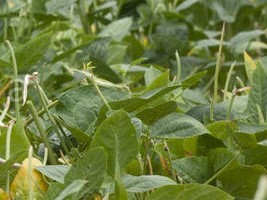
A new study by the Food and Agriculture Organization of the United Nations (FAO) analyzes good practices to deal with major natural hazards in Bolivia, Colombia, Haiti, Guyana, Jamaica and seven other countries of the world. Rainwater gathering in Jamaica, vegetal barriers face hurricanes in Haiti, and the use of improved enclosures to protect cold alpacas in Bolivia are some of the practices described in this study for reducing risk at the explotations. The study analyzed more than 900 explotations on 10 countries around the world and found that, on average, improved practices generated 2.2 times more benefits than traditional practices, including increased production and reduction of damage and losses due to natural disasters. "The study not only demonstrates that prevention is cost-effective, but also highlights the important role that small-scale operations at the farm level can play in increasing livelihood resilience and promoting sustainable development," said Anna Ricoy, Coordinator of Disaster Risk Management at FAO. Solutions that do not require substantial investment and are accessible to small farmers. The solution in Haiti to protect pea growing : Peas are one of the most important subsistence crops in the communes of Bainet and Grand-Goâve, because of their two annual harvest seasons, But, these crops and farmers have to deal with the threat of hurricanes. One way to mitigate the impact of hurricanes on crops is to plant plant barriers: hedgerows, trees and a variety of very tall forage grasses (elephant grass), which provide natural protection and stabilize soils. In some farms, Haitian farmers have associated these "living barriers" with conservation agriculture and agro-forestry techniques to improve soil quality, reduce water losses through evapotranspiration and runoff, and improve infiltration into the ground. The combination of these techniques allowed Haitian farmers to increase the net value of their production by 110% during the years without natural disasters, but they also obtained lesser but no less important results, in years hurricanes. For example, in hurricane-affected operations in 2016, the net benefits of this pea crop protection were 52% higher than those that maintained traditional cropping practices. HL/ HaitiLibre
|
|






|
|
Why HaitiLibre ? |
Contact us |
Français
Copyright © 2010 - 2026 Haitilibre.com |