
|
|
||||||||||||||||||


| 2026-2027 Electoral Calendar, latest official version |

|
 |
|
|
|
|
|
|
|||||||
|
|
FLASH - First major forecasts for the 2026 hurricane season in Haiti
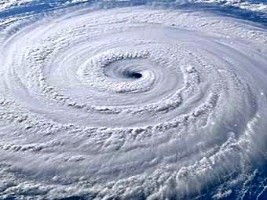
With less than two months to go before the start of Atlantic hurricane season (June 1st), here are the first forecasts. Colorado State University : The Colorado State University Tropical Meteorology Project team indicates that the combination of a strong El Niño event and moderate temperatures will be less favorable for tropical storms and hurricanes. Colorado State University forecasts 13 storms, including 6 that will become hurricanes and two that will reach Category 3 or higher, in its first forecast for 2026. This number is slightly lower than the average of the last 30 years, which is 14 storms and 7 hurricanes. National Oceanic and Atmospheric Administration (NOAA) : According to NOAA's monthly update, there is approximately a 50% chance that this El Niño event will become strong and is expected to be the dominant factor this season. Conditions in the Atlantic are generally less favorable for the formation of tropical storms and hurricanes, particularly in the Caribbean. Effects of a "Super El Niño" : A "Super El Niño" or a powerful El Niño, is increasingly likely during this period of high cyclone activity. In previous seasons, El Niño has reduced tropical activity (measured by Accumulated Cyclone Energy, or ACE) by 32%, and seasons classified as "Super El Niño" have seen a reduction of 58%. Another reason that could explain below-average cyclonic activity this season is the relatively low temperature of the Atlantic. A general cooling has been observed in the North Atlantic since mid-February. Large areas of the eastern Atlantic and parts of the main development zone have water temperatures near or below average. However, much of the western Atlantic waters are warmer than average. This gives us a mixed signal between the tropical and subtropical zones. In recent years, warm waters have offset the effects of El Niño, but until early April 2026, weather conditions in the basin are not expected to support significant tropical activity. SL/ HaitiLibre
|
|






|
|
Why HaitiLibre ? |
Contact us |
Français
Copyright © 2010 - 2026 Haitilibre.com |