
|
|
||||||||||||||||||


| New revised electoral calendar (Oct. 28, 2026) |

|
 |
|
|
|
|
|
|
|||||
|
|
Haiti - FLASH : Hunger reaches record levels in Haiti, and warnings are becoming reality 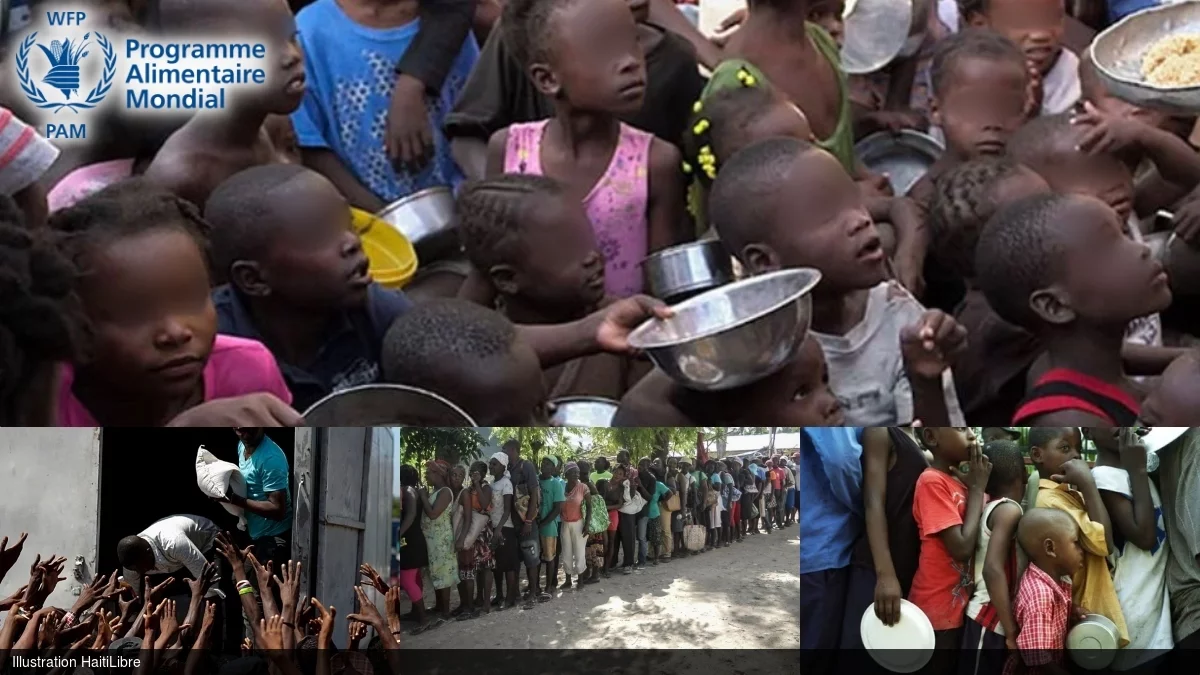
Warnings from the United Nations World Food Programme (WFP) according to which the fragile progress made in food security in Haiti could quickly be undone are now becoming a reality. A new analysis indicates that acute hunger (characterized by severely restricted food consumption and an abnormal rise in malnutrition) continues to worsen in the country and is expected to reach record levels. Violence, economic instability, poor agricultural performance, population displacement, and the growing impact of the El Niño phenomenon are all contributing to this alarming situation. According to the latest analysis from the Integrated Food Security Phase Classification (IPC), 6.35 million people are expected to face acute food insecurity between March and June 2027, an increase of more than half a million people compared to the same period in 2026. Among them, nearly two million people are projected to be in IPC Phase 4 (Emergency), a level marked by extreme food deficits, high mortality rates, and critical levels of acute malnutrition. These populations may be forced to resort to extreme survival strategies to meet their basic food needs. This alarming estimate follows an earlier warning from the WFP, which noted that the modest improvements observed, relative to previous projections—remained fragile, and that sustained support was essential to safeguard the progress made in combating chronic food insecurity. The WFP is now calling on the international community to step up its assistance to Haiti. With more than 1.5 million Haitians forced to flee their homes due to violence, those living in areas controlled by armed groups, as well as individuals sheltering in displacement sites, are among the most vulnerable. Displaced families are often no longer able to work or produce their own food. Most live in precarious conditions, characterized by poor hygiene and overcrowding. Despite humanitarian food assistance, which provides a basic level of protection, many families still struggle to secure a meal each day. "Our teams are witnessing increasing levels of desperation as violence continues to displace families," said Lauren Landis, WFP Country Director in Haiti. "Many have been displaced multiple times and are arriving with nothing but the clothes on their backs. This, combined with the conditions they’re forced to live in, creates conditions ripe for hunger and malnutrition to take hold." Hunger is also expected to intensify outside of urban centers. In several rural areas, food insecurity is projected to shift from a crisis level (IPC Phase 3) to an emergency level (IPC Phase 4) between March and June 2027, compared to the same period in 2026. "This multifaceted crisis reminds us how important it is to not just provide life-saving emergency food assistance, but also to scale up longer-term investments that help communities withstand shocks and protect their livelihoods from events like El Niño,” said Landis. Since the beginning of the year, the WFP has been working in close collaboration with the Haitian government to provide assistance to 2.6 million people. This includes emergency food aid, cash transfers, school meals (74% of which are prepared using produce grown by local farmers), social protection programs, and initiatives to prevent malnutrition in infants and young children. The WFP also supports vulnerable communities through anticipatory cash transfers, the rehabilitation of water management infrastructure and rural roads, and micro-insurance mechanisms that protect farmers against crop losses caused by drought or excessive rainfall. To sustain these operations through March, the WFP urgently requires $78 million. HL/ HaitiLibre
|
|





|
|
Why HaitiLibre ? |
Contact us |
Français
Copyright © 2010 - 2026 Haitilibre.com |